Generator Installation Costs Overview
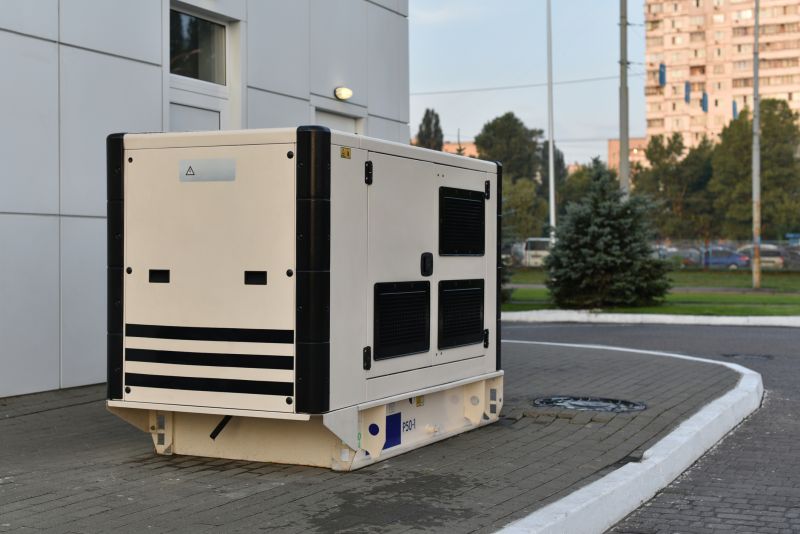
Larger generators with higher capacity tend to cost more due to increased power output and size.
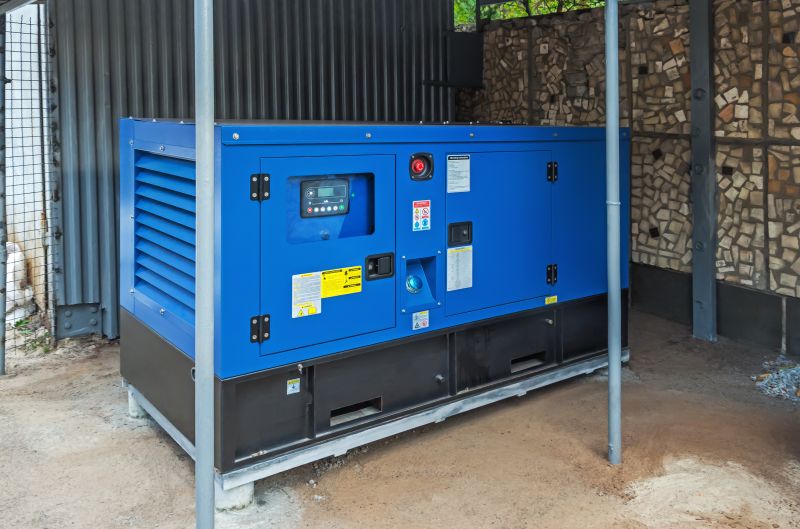
Complex or difficult installation sites can increase labor and equipment costs.
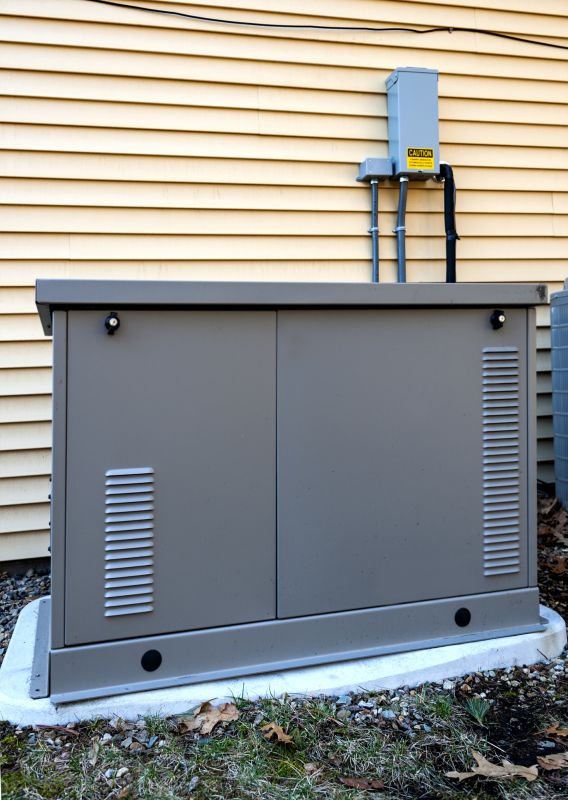
Factors such as electrical upgrades or structural modifications add to the overall installation expenses.
| Factor | Average Cost Range |
|---|---|
| Generator Size (kW) | $3,000 - $15,000 |
| Installation Labor | $1,500 - $5,000 |
| Electrical Upgrades | $1,000 - $4,000 |
| Permitting and Inspection | $500 - $2,000 |
| Site Preparation | $1,000 - $3,000 |
| Transfer Switches | $500 - $2,500 |
| Structural Modifications | $1,000 - $4,000 |
| Additional Equipment | $500 - $3,000 |
Additional costs may include electrical upgrades, structural modifications, and permitting fees. These factors can add to the total expense but are essential for ensuring a safe and compliant installation. Investing in quality components and professional installation can improve generator performance and longevity, ultimately providing better value over time.
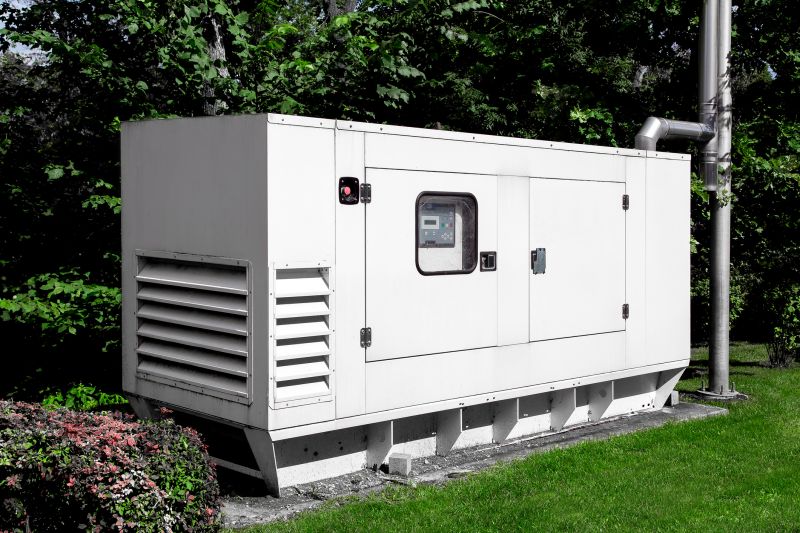
Costs related to internal components, controls, and maintenance access can influence the overall price.
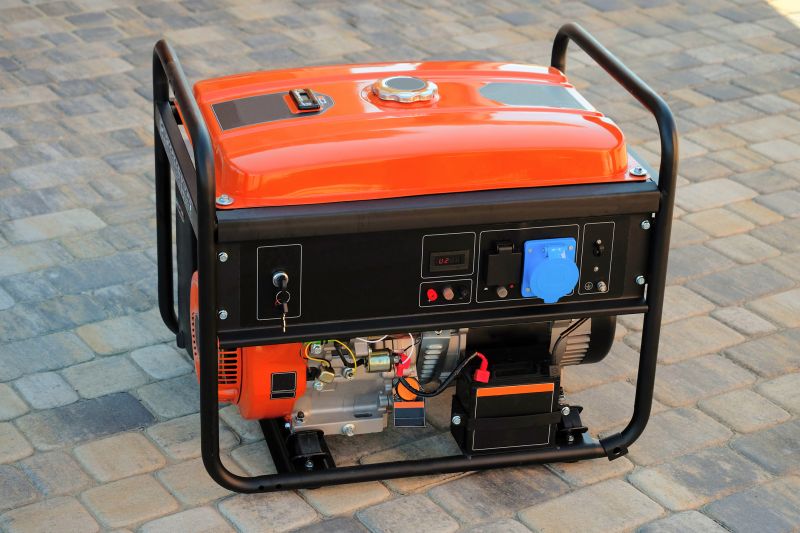
Automatic transfer switches are critical for seamless power transfer and impact installation costs.
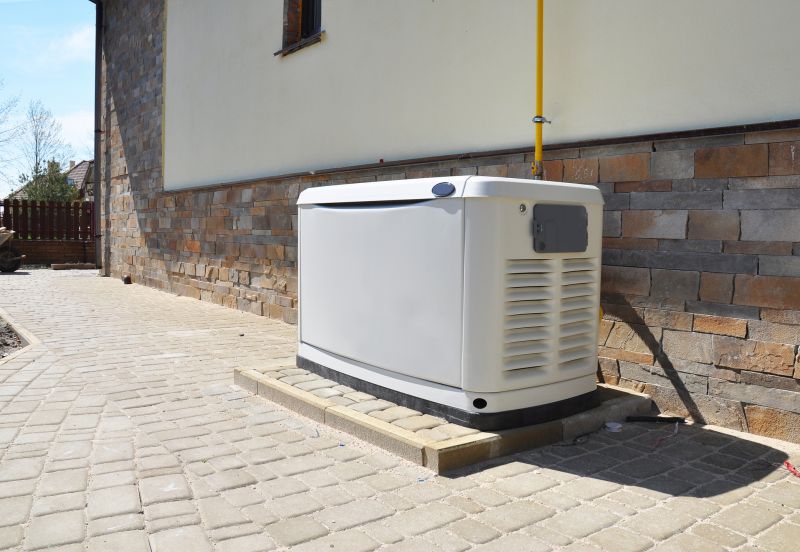
Fuel type and supply infrastructure, such as tanks or connections, affect setup expenses.
| Service Type | Average Price Range |
|---|---|
| Residential Generator Installation | $4,000 - $12,000 |
| Commercial Generator Setup | $10,000 - $50,000 |
| Portable Generator Setup | $300 - $1,500 |
| Generator Maintenance Service | $200 - $600 per visit |
| Generator Repair Service | $300 - $2,000 |
| Electrical System Upgrade | $1,000 - $5,000 |
| Transfer Switch Installation | $500 - $2,500 |
| Fuel Tank Installation | $1,000 - $4,000 |
| Structural Reinforcement | $1,500 - $5,000 |
| Permitting and Inspection | $500 - $2,000 |
The total cost of a generator installation depends on multiple factors, including the type and size of the generator, site-specific conditions, and additional system components. Proper assessment and planning can help identify potential expenses early, ensuring that the installation meets all safety and performance standards. Investing in professional services and quality equipment can lead to a more reliable backup power system, reducing the risk of unexpected costs or failures.
It is advisable to obtain detailed quotes from qualified installers to understand the full scope of costs involved. Considering long-term maintenance and operational expenses also contributes to a comprehensive budget. While initial investment may be significant, a well-installed generator provides peace of mind and dependable power during outages.