Seamless Backup Generator Installation for Uninterrupted Power Su
Installing a backup generator provides reliable power during outages, ensuring continuous operation of essential household systems. With increasing frequency of severe weather events, a professionally installed backup generator offers peace of mind and minimizes disruptions to daily life.
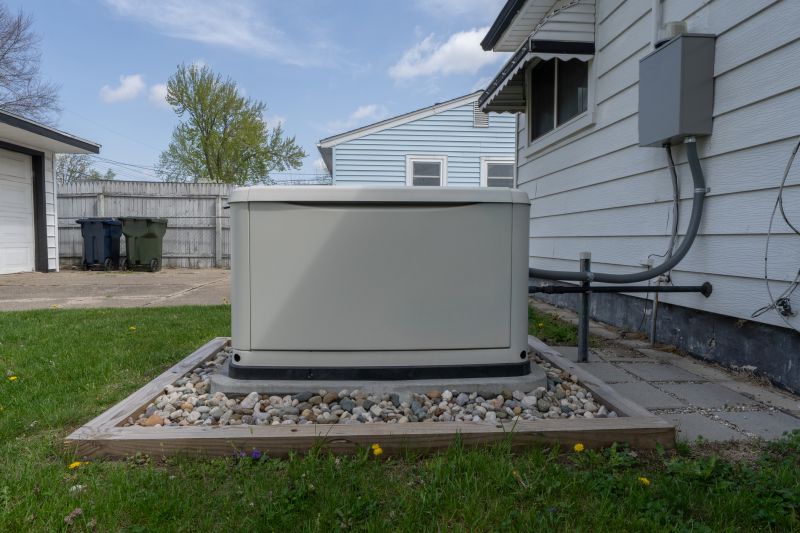
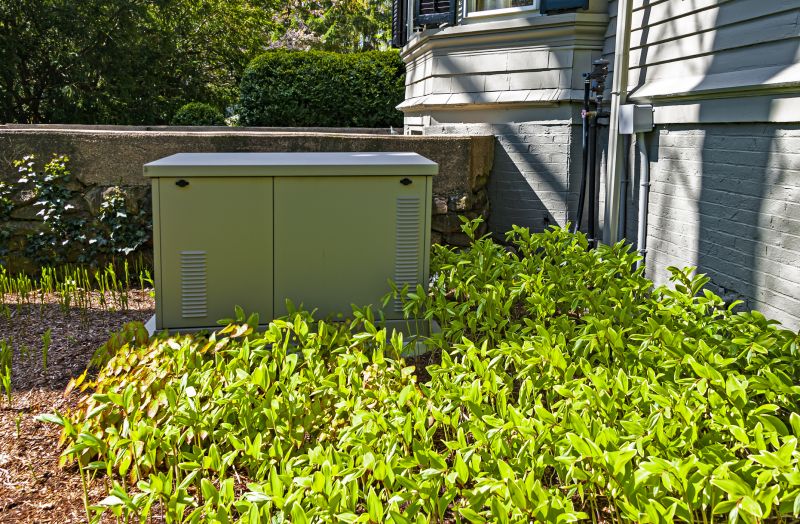
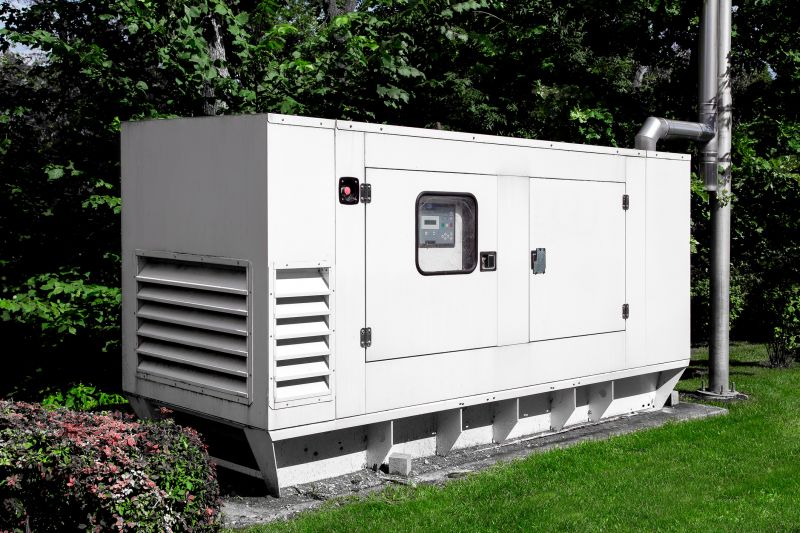
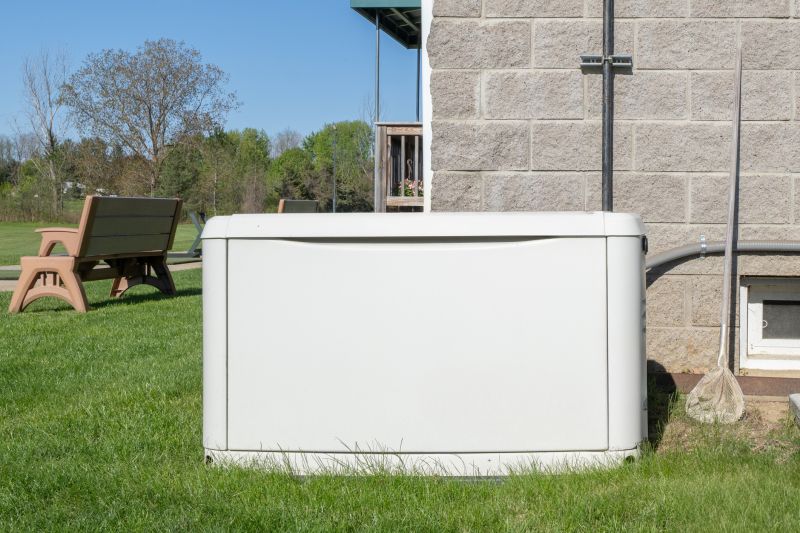
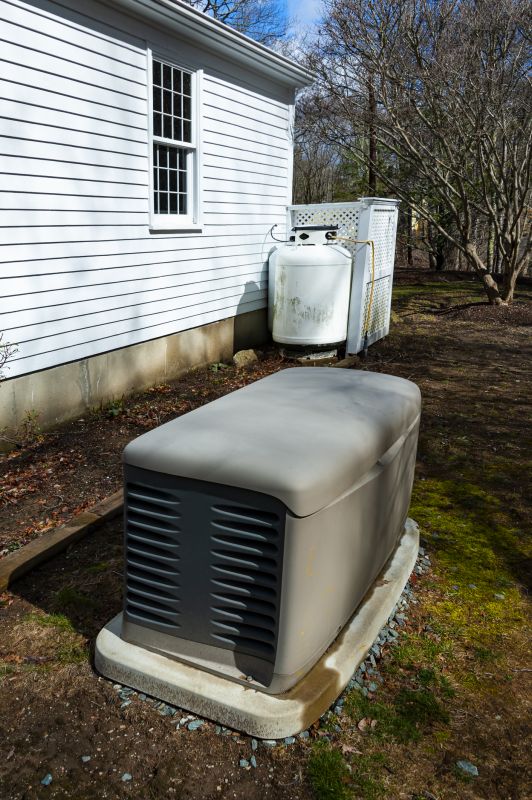
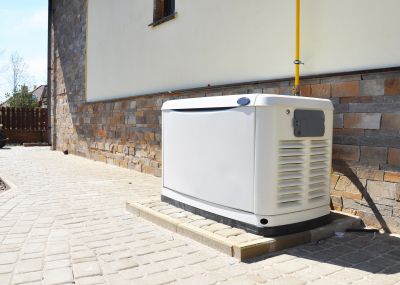
The process of installing a backup generator involves several key steps to ensure optimal performance and safety. It begins with an assessment of the home’s power needs and site conditions. This is followed by designing a suitable system, obtaining permits, and preparing the installation site. The generator is then securely mounted, connected to the home’s electrical system, and tested for proper operation. Typically, installation can be completed within one to three days, depending on the complexity of the setup.
A backup generator ensures continuous power supply during outages, preventing disruptions to heating, cooling, refrigeration, and medical devices. It enhances safety by maintaining lighting and security systems and can protect appliances from power surges when power is restored.
Having a backup generator increases household resilience, reduces downtime during outages, and provides peace of mind. It can also improve property value and eliminate the inconvenience and potential hazards associated with power loss.
The installation process typically takes between one and three days. It involves site assessment, system design, permit acquisition, site preparation, generator mounting, electrical connections, and system testing to ensure reliable operation.
Power outages can occur multiple times annually, with some regions experiencing outages lasting several days. Installing a backup generator can reduce outage-related losses by up to 80%, ensuring household operations remain unaffected.
Choosing a backup generator tailored to specific household needs involves evaluating power requirements, available space, and budget. Professional assessment ensures the selected system provides adequate capacity and complies with local regulations. Regular maintenance and testing are recommended to keep the generator ready for use when needed.
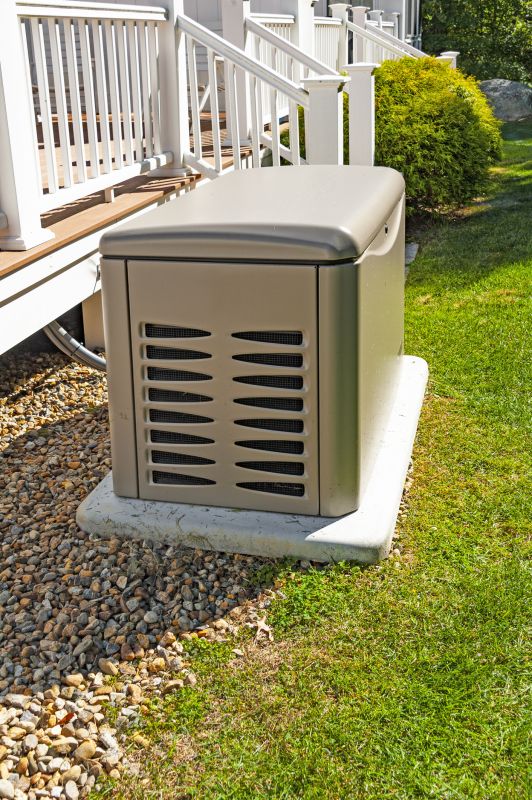
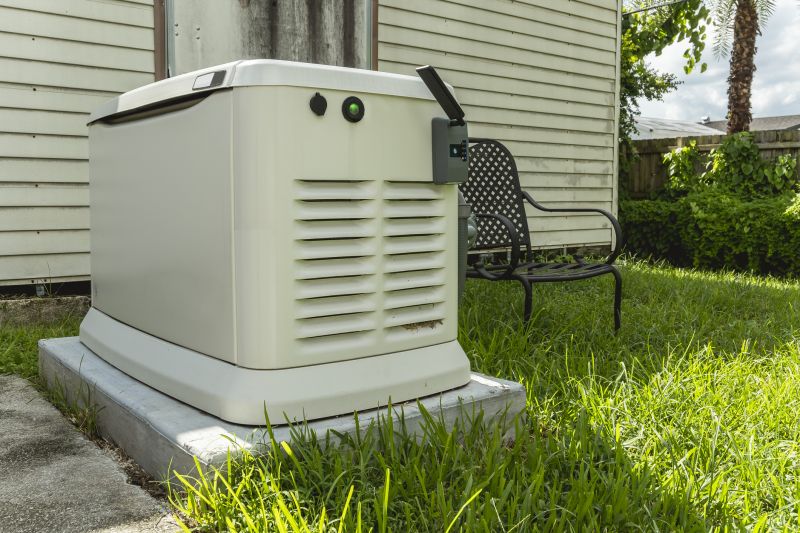
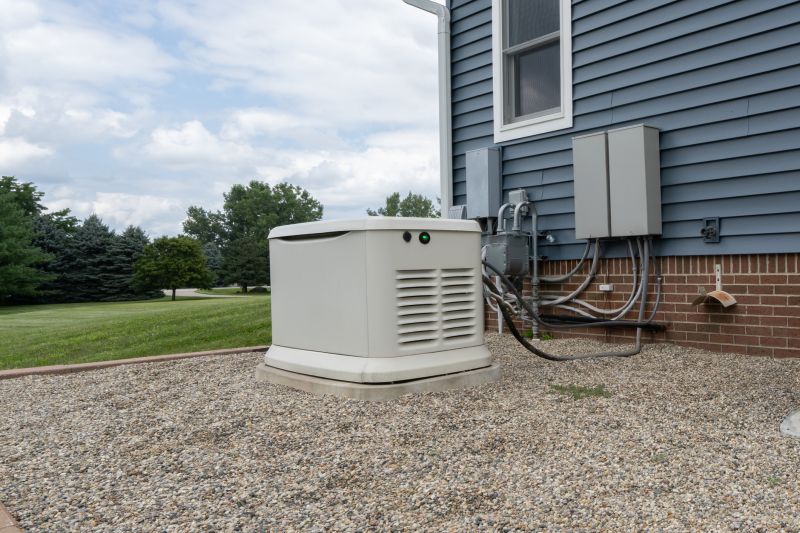
Investing in a backup generator is a proactive step towards ensuring household stability during unexpected power interruptions. Proper installation maximizes system efficiency and safety, providing dependable power when it is most needed.
For homeowners interested in securing reliable backup power, completing a quick contact form can facilitate obtaining a detailed quote tailored to specific requirements. This enables planning and scheduling a professional installation to suit individual needs and preferences.